Working Hours
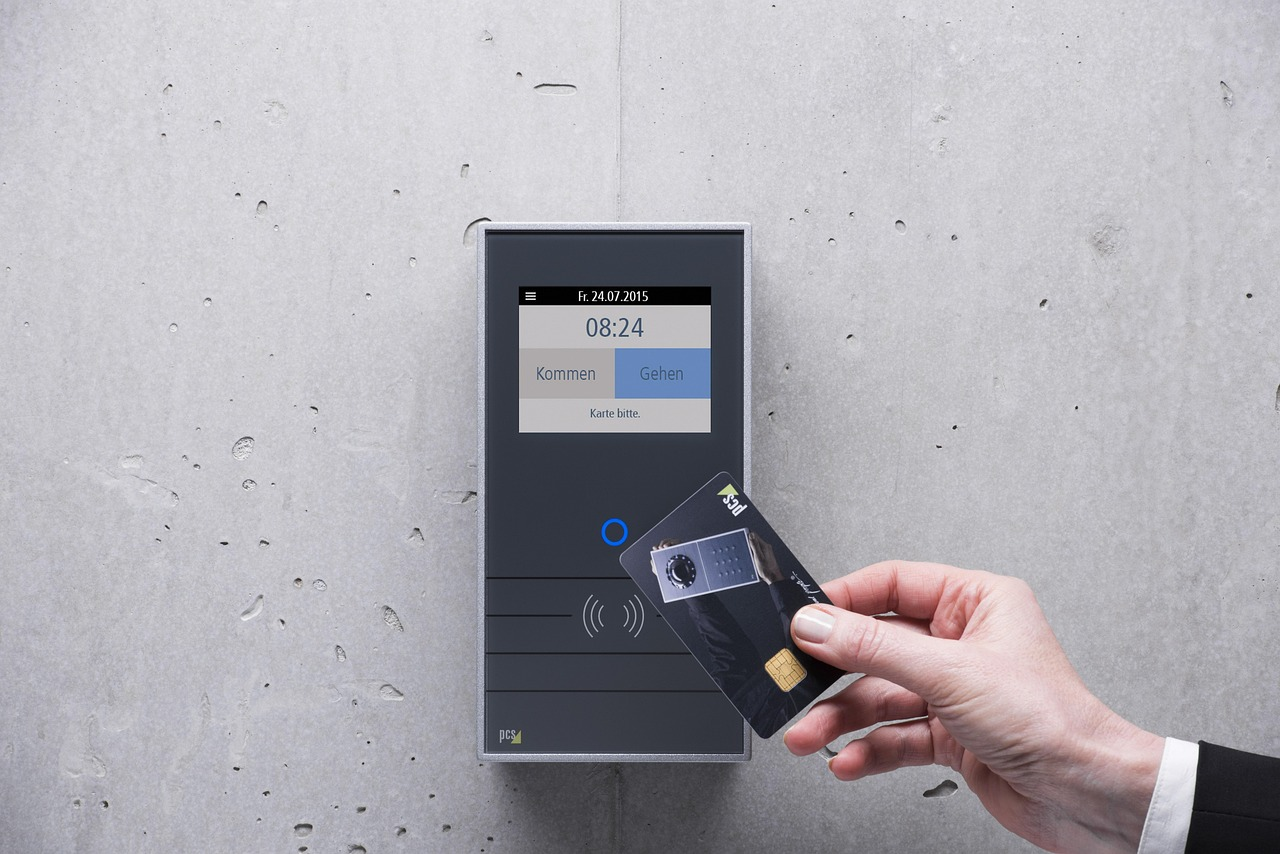
Working Hours in Germany
Germany has relatively moderate working hours compared with many other European countries. Combined with high productivity, this contributes to a strong work-life balance. German labor law also provides clear rules regarding working hours, breaks, rest periods, Sundays, and overtime.
Full-Time Work in Germany
A typical full-time working week in Germany is around 36 to 40 hours.
Most full-time employees work:
- Seven or eight hours per day
- Five days per week
- With a break during the working day
Some companies have longer working weeks but may compensate employees through higher salaries, additional vacation days, or other benefits.
Self-employed people are generally not subject to the same working-time restrictions as employees and may work considerably longer hours.
Part-Time Work in Germany
Part-time employment generally means working fewer hours than a comparable full-time employee.
Under the Part-Time and Fixed-Term Employment Act (Teilzeit- und Befristungsgesetz), employees who have worked for their employer for more than six months may have the right to request a reduction in working hours if the employer has more than 15 employees.
The employer may refuse a request under certain circumstances, particularly if there are operational reasons that prevent the reduction.
Legal Limits on Working Hours
The Working Time Act (Arbeitszeitgesetz) generally limits working time to eight hours per working day.
Working hours can be extended to up to 10 hours per day, provided that the average working time does not exceed eight hours per working day over the relevant reference period.
The statutory working week can include Monday through Saturday. As a result, the average maximum working time is generally 48 hours per week.
Special rules and exceptions can apply to certain industries and occupations.
Breaks During the Working Day
Employees are entitled to statutory breaks depending on how long they work.
- More than 6 hours of work: at least 30 minutes of break
- More than 9 hours of work: at least 45 minutes of break
The 30-minute break can generally be divided into two 15-minute breaks.
Breaks do not normally count as working time.
Rest Between Working Days
Employees generally must receive at least 11 consecutive hours of rest between working days.
There are exceptions for certain industries, but compensatory rest may be required.
Working on Sundays and Public Holidays
Working on Sundays and public holidays is generally restricted in Germany.
However, exceptions exist for industries and activities where Sunday or holiday work is necessary, including certain services, healthcare, hospitality, transportation, and emergency services.
Employees who work on Sundays or public holidays may be entitled to a compensatory day off, depending on the applicable rules.
Working Overtime in Germany
Overtime means working beyond the employee's regular contractual working hours.
Overtime must still comply with the statutory maximum working-time limits. If an employee works up to 10 hours on a working day, the additional hours must be balanced within the applicable reference period so that the average working time remains within the legal limit.
Whether overtime must be paid or compensated with time off depends on the employment contract, collective bargaining agreement, company agreement, or applicable law.
Some employment contracts include a provision covering a limited amount of overtime within the regular salary. Such provisions must still comply with applicable legal requirements.
Flexible Working Hours in Germany
Many German companies offer flexible working arrangements, depending on the job and employer.
Common options include:
- Working from home
- Flextime (Gleitzeit)
- Working longer hours on certain days in exchange for shorter days
- Time off in lieu for additional working hours
- Flexible start and finish times
The availability of these arrangements depends on the employer, position, and employment contract.
Key Points
- A typical full-time working week is around 36–40 hours.
- Statutory working time is generally limited to 8 hours per working day.
- Working time can generally be extended to 10 hours per day if the average remains within the legal limit.
- Employees are entitled to statutory breaks depending on the length of their working day.
- Employees generally need at least 11 hours of rest between working days.
- Sunday and public-holiday work is generally restricted, with exceptions for certain industries.
- Overtime must comply with statutory working-time limits.
- Overtime compensation depends on the employment contract and applicable agreements.
- Flexible working arrangements such as home office and flextime are common in many German companies.