Waste Separation
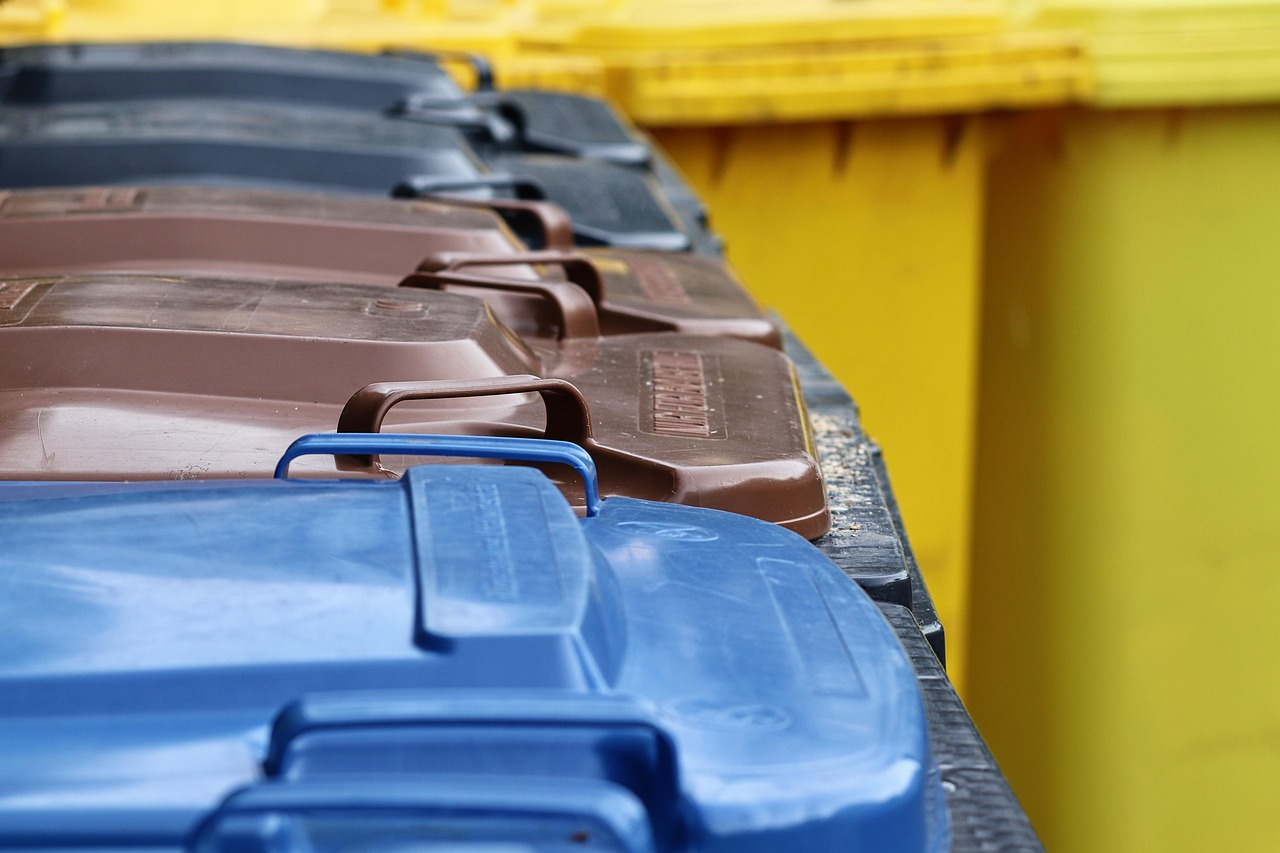
Waste Separation System in Germany
Germany has a well-organized waste separation system. Residents are expected to separate household waste into different categories to support recycling and proper disposal.
Main Waste Categories
- Residual Waste: Non-recyclable waste such as diapers, vacuum cleaner bags, cigarette butts, and other general household waste.
- Organic Waste: Organic materials such as fruit and vegetable scraps, eggshells, coffee grounds, tea bags, and garden waste.
- Paper: Paper, cardboard, newspapers, magazines, and cartons.
- Packaging: Packaging made of plastic, metal, aluminum, and composite materials such as Tetrapaks.
- Glass: Glass bottles and jars, usually separated by color into white, green, and brown glass.
Regular Waste Collection
Collection Times
Each type of waste has its own collection schedule, which is determined by your local municipality. You will usually receive a waste collection calendar or be able to access it online.
Waste Calendar
The waste calendar shows when different types of bins will be collected. Many municipalities also offer an app with notifications and reminders about collection dates.
Where to Find the Waste Calendar
- Municipality Website: Look for the "Waste Disposal" or "Waste Calendar" section.
- Municipality App: Some municipalities provide an app with collection schedules and reminders.
- PDF Download: Some municipalities offer the waste calendar as a downloadable PDF.
- Town Hall: You may be able to collect a printed copy from your local town hall.
- Phone Inquiry: Contact your local waste disposal authority if you cannot find the information online.
Waste Fees
Waste disposal fees vary between municipalities. Depending on the local system, fees may be based on factors such as:
- Number of people in the household
- Living area
- Number and size of waste bins
- Frequency of collection
For example, residual waste fees may depend on the size of the bin and how often it is emptied.
Organic waste and paper may have different fee structures, while packaging collection is often organized separately.
Always check with your local municipality or waste disposal provider for the current fees and applicable rules.
Tips for Reducing Waste
- Buy products with less packaging: Choose reusable packaging and avoid unnecessary single-use products.
- Reuse items: Repair or reuse products whenever possible.
- Compost organic waste: If you have a garden, consider composting suitable organic waste and using it as fertilizer.
- Separate waste correctly: Check local guidelines if you are unsure where an item belongs.
Recycling and Special Waste
Larger amounts of waste and certain types of waste require separate disposal. These may include electronic devices, batteries, hazardous materials, and bulky waste.
Examples
- Electronic Devices: Phones, computers, toasters, televisions, and other electronic equipment should be taken to appropriate collection points or recycling centers.
- Hazardous Waste: Paints, varnishes, chemicals, and certain cleaning products must be disposed of at designated collection points.
- Batteries: Batteries should not be placed in household waste. Use collection boxes at stores or designated recycling centers.
Where to Find Recycling Centers
- Wertstoffhof-Info.de: A directory of recycling centers across Germany.
- Municipality Websites: Many municipalities provide information about local recycling centers, including addresses and opening hours.
- Municipality Apps: Some local apps provide recycling center information and opening times.
- Phone Inquiry: Contact your local municipality or waste disposal authority for guidance.
Why Waste Separation Matters
Correct waste separation helps Germany recycle materials, reduce the amount of waste sent for disposal, and conserve natural resources.
By separating your waste correctly, you contribute to:
- Protecting the environment
- Conserving resources
- Supporting recycling
- Creating a more sustainable future