The German School System
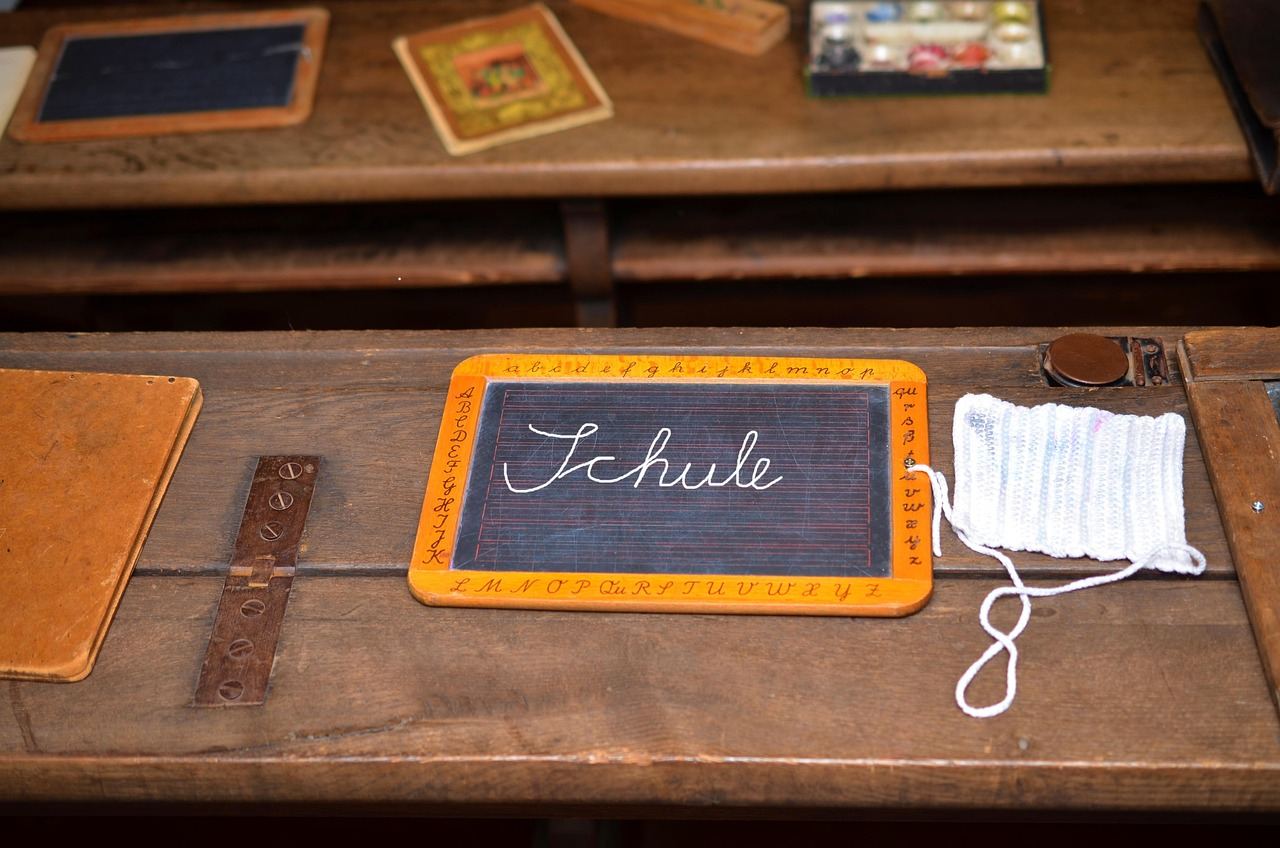
Schooling in Germany
Attending primary and secondary school is compulsory (Schulpflicht) in Germany, generally from the age of six to 15, although many students continue attending school until age 18 or 19.
While the structure of primary education in Germany is relatively straightforward, the separation of secondary education into different types of schools and qualifications can be confusing for expats.
The German Education System Explained
All schoolchildren attend primary school, but secondary education is divided into different educational pathways:
- Hauptschule – basic education, leading primarily to vocational training
- Realschule – intermediate education, offering vocational and academic pathways
- Gymnasium – academic education, preparing students for university
There are regional variations in school types and curricula because education is primarily managed by the individual federal states.
Daycare in Germany (Kinderkrippen, Kindertagesstätte, Kindergärten)
Children aged one and older have a legal right to daycare. Although daycare is not mandatory, demand often exceeds availability, so early registration is recommended.
Childcare is provided by various organisations, including churches, welfare organisations, local authorities, and parent associations. Both publicly funded and fee-based options are available.
Primary School in Germany (Grundschule)
Compulsory schooling generally begins on August 1 following a child's sixth birthday.
- Grades: 1–4, or grades 1–6 in Berlin and Brandenburg
- Key subjects: reading, writing, and mathematics
- Foreign language instruction generally begins in grade 3, although some states introduce it earlier
- Children typically attend a local primary school, although some flexibility exists depending on the federal state
Secondary Education in Germany
Students generally enter secondary school at around age 10 or 12, depending on the federal state and educational pathway.
The main types include:
- Hauptschule – vocationally oriented education
- Realschule – broader vocational and academic options
- Gymnasium – preparation for university
Students may be able to transfer between educational pathways based on their performance, qualifications, and the rules of the relevant federal state.
General Secondary School (Hauptschule)
- Grades: 5–9
- Qualification: Hauptschulabschluss
- Prepares students for vocational training, the dual system, or Berufsfachschule
- With an additional year, students may obtain the Mittlerer Schulabschluss (Realschulabschluss)
- High-achieving students may be able to transfer to a more academically oriented pathway
Secondary School (Realschule)
- Grades: 5–10
- Qualification: Realschulabschluss
- Provides access to vocational training and can also lead to further education at a Fachoberschule or Gymnasium
Academic Secondary School (Gymnasium)
- Grades: 5–12 or 13, depending on the federal state
- Qualification: Allgemeine Hochschulreife (Abitur)
- Provides access to universities and other higher education institutions
Schools Offering Multiple Qualifications (Gesamtschulen)
Some federal states offer schools that combine two or more educational pathways.
Examples include:
- Hauptschule + Realschule: Mittelschule, Regelschule, or Sekundarschule
- Hauptschule + Realschule + Gymnasium: Integrierte Gesamtschule, Oberschule, Stadtteilschule, or Gemeinschaftsschule
The exact structure and terminology vary between federal states.
Vocational Upper Secondary Education (Berufsschulen)
Students who do not follow the traditional Gymnasium pathway can choose from several vocational education options.
Dual System (Duales System)
- Combines an apprenticeship with part-time attendance at a vocational school (Berufsschule)
- Duration: typically 2–3.5 years
- There are no universal formal entry requirements, although most apprentices have a Hauptschulabschluss or Realschulabschluss
Technical College (Berufsfachschule)
- Duration: typically 1–3 years
- Provides education focused on specific occupational fields
- Can include vocational training and practical experience
Technical Upper Secondary School (Fachoberschule)
- Grades: 11–12
- Entry generally requires a Realschulabschluss or equivalent qualification
- Leads to the Fachhochschulreife, which provides access to certain higher education institutions
Vocational Gymnasium (Berufliches Gymnasium)
- Duration: typically 3 years
- Combines preparation for the Abitur with career-oriented education
- Offers a pathway to higher education while providing a focus on a particular professional field
Upper Vocational School (Berufsoberschule)
- Available in some federal states
- Provides an additional pathway to higher education for students with vocational qualifications and the appropriate school-leaving certificate
- Requirements and qualifications vary by federal state