Primary School
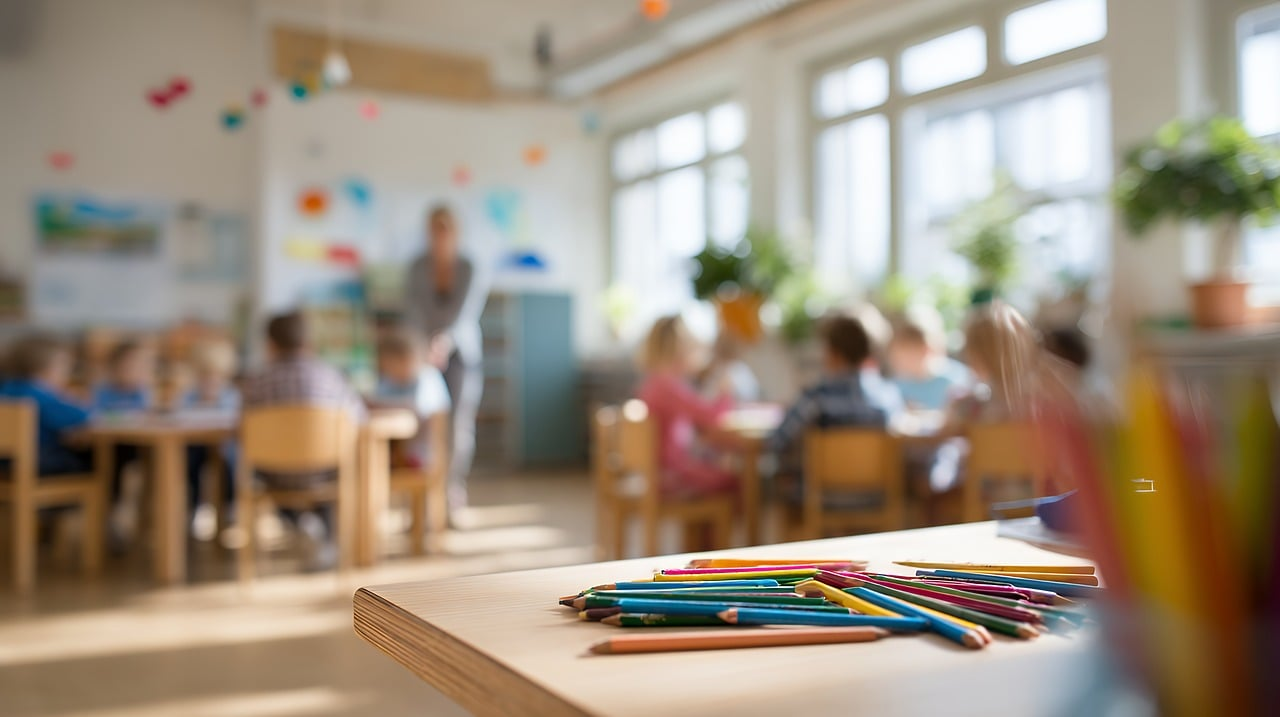
Primary School in Germany
Primary school (Grundschule) is the first stage of the German school system. In most federal states, children attend primary school for four years, usually from around the age of 6 to 10. In Berlin and Brandenburg, primary school generally lasts six years.
Primary school provides children with the basic knowledge and skills they need for their further education.
Common subjects include:
- German
- Mathematics
- General Studies (Sachunterricht)
- Music
- Art
- Physical Education
- Religion or ethics, depending on the federal state and school
School structures, subjects, admission procedures, and educational regulations can vary between Germany's 16 federal states (Bundesländer).
Finding a Primary School
When looking for a primary school, it is useful to consider:
- Location: Distance from your home and accessibility
- School concept: Educational approach and teaching methods
- Language support: Support available for children who do not yet speak German
- After-school care: Availability of Hort or all-day school programs
- School profile: Special programs, activities, and facilities
- School culture: Communication with parents and overall environment
You can research schools through your city or municipality's website and contact the responsible school authority for information.
In many cases, children are assigned to a primary school based on their home address and the local school district (Schulbezirk). Availability and admission rules vary by federal state and municipality.
Enrolling in Primary School
The enrollment process varies depending on the federal state and municipality, but it generally involves the following steps:
Check the responsible school
Contact your local school authority or municipality to find out which primary school is responsible for your address.
Receive enrollment information
Parents are usually informed about the registration process and deadlines before their child starts school.
Attend the school registration appointment
Depending on the federal state, parents may need to register their child directly with the school.
Prepare the required documents
Commonly requested documents include:
- Child's birth certificate
- Parent's identification documents
- Proof of address or registration
- Vaccination documentation, where required
- School enrollment forms
- Additional documents requested by the school or local authority
Complete the school-entry examination
In many federal states, children undergo a medical school-entry examination (Schuleingangsuntersuchung) to assess whether they are ready to start school.
Receive information about school admission
The school or responsible authority will provide information about the child's placement and the next steps.
School Costs
Public primary schools in Germany generally do not charge tuition fees.
However, parents may still have additional costs for:
- School supplies and books
- School bags and clothing
- School trips and excursions
- School meals
- After-school care
- Optional activities and clubs
Some families may be eligible for financial support for education and school-related expenses.
Private schools generally charge tuition fees, which vary depending on the school.
Language Support for International Children
Children who do not speak German or are still learning the language may receive additional language support.
Depending on the federal state and school, this can include:
German Language Support
- German language classes
- Preparatory or welcome classes
- Additional language lessons
- Individual learning support
- German tutoring
Support for Parents
Schools may provide:
- Interpreters for important meetings
- Translated information
- Multilingual communication
- Guidance for parents unfamiliar with the German school system
Cultural and Social Integration
Schools may also support integration through:
- Welcome and orientation programs
- Cultural activities
- Buddy or mentoring programs
- Cooperative activities with other students
- Inclusion initiatives
Individual Support
Depending on the child's needs, schools may provide:
- Individual learning support
- Additional educational assistance
- Homework support
- Specialized support services
Transition to Secondary School
After completing primary school, children generally move on to secondary education.
Depending on the federal state, available school types may include:
- Hauptschule
- Realschule
- Gymnasium
- Gesamtschule
- Other comprehensive or specialized school forms
The transition process and the role of grades, teacher recommendations, and parental choice vary between federal states.
If you are moving to Germany with a school-age child, contact the local school authority (Schulamt) as early as possible. They can explain which school is responsible for your address, enrollment deadlines, language support, and available places.