Health Insurance
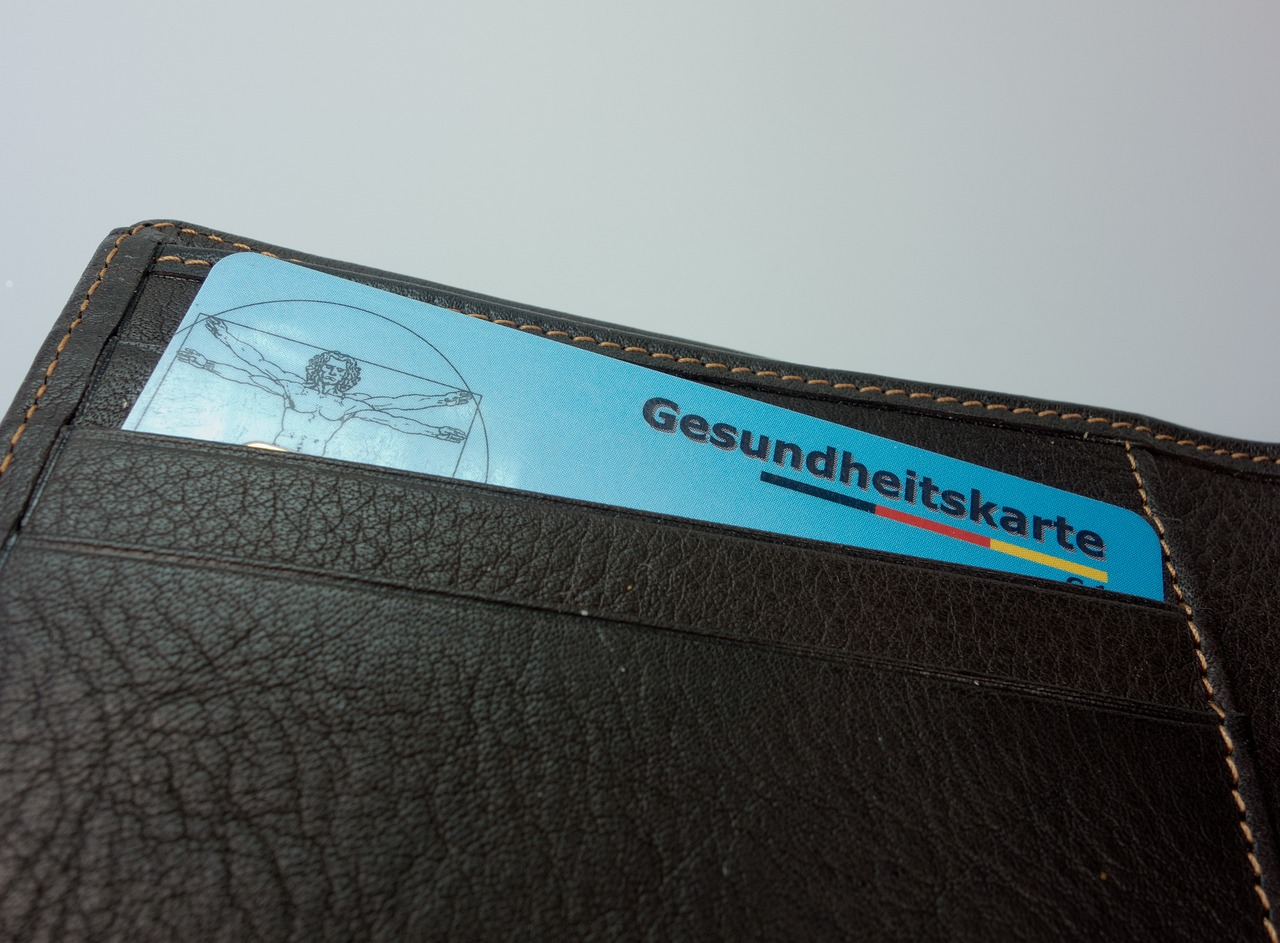
Health Insurance in Germany 2026
In Germany, health insurance is mandatory. Everyone living in Germany must have valid health insurance coverage.
There are two main types:
- Statutory Health Insurance (GKV)
- Private Health Insurance (PKV)
Foreign Health Insurance – Is It Valid in Germany?
The rules depend on your nationality and situation.
- EU citizens: For short stays, you can generally use the European Health Insurance Card (EHIC). If you move to Germany permanently, different rules may apply depending on your employment and personal situation.
- Non-EU citizens: Proof of valid health insurance is generally required for obtaining a visa and residence permit.
- Students: Special rules apply to international students, depending on their nationality, age, and employment status.
Statutory Health Insurance (GKV)
Most people in Germany are covered by statutory health insurance.
For employees, insurance contributions are generally shared between the employee and employer.
Who Is Automatically Covered by GKV?
Employees earning below the annual income threshold are generally required to have statutory health insurance.
For 2026:
- Annual income threshold: €77,400
- Monthly equivalent: €6,450
Employees earning above this threshold can generally choose between statutory and private health insurance, subject to the applicable rules.
Contribution Limit
Health insurance contributions are calculated based on income up to a maximum contribution assessment ceiling.
For 2026:
- Annual contribution assessment ceiling: €69,750
- Monthly equivalent: €5,812.50
Income above this amount is not subject to additional statutory health insurance contributions.
What Does GKV Cover?
Statutory health insurance generally covers services such as:
- Doctor visits
- Hospital treatment
- Basic dental care
- Prescription medicines
- Rehabilitation
- Preventive healthcare
It also works together with other elements of the German social security system, including:
- Long-term care insurance (Pflegeversicherung)
- Sick pay (Krankengeld)
- Child sick pay (Kinderkrankengeld)
- Maternity benefits (Mutterschaftsgeld)
Germany has numerous statutory health insurance funds (Krankenkassen). Some operate nationwide, while others are regional.
Private Health Insurance (PKV)
Private health insurance is an alternative to statutory insurance for certain groups.
Who Can Choose PKV?
Depending on their situation, private insurance may be available to:
- Self-employed people and freelancers
- Employees earning above the annual income threshold
- Civil servants (Beamte)
Advantages and Disadvantages
Private health insurance can offer additional benefits depending on the chosen tariff, such as:
- More extensive dental coverage
- Alternative treatments
- Private or semi-private hospital rooms
- Treatment by senior physicians
- Potentially shorter waiting times for some specialists
However, private insurance also has important disadvantages:
- Contributions are generally based on factors such as age, health, and the selected coverage rather than simply on income.
- Premiums can increase over time.
- Returning to statutory insurance can be difficult in certain situations, particularly at an older age.
Before choosing PKV, carefully compare the long-term costs and coverage.
Health Insurance for Students
Students in Germany must provide proof of health insurance before they can enroll at a university.
EU Students
EU students may be able to use their European Health Insurance Card (EHIC) if the applicable conditions are met.
If you start working or your personal circumstances change, different insurance rules may apply.
Non-EU Students
International students from outside the EU generally need valid health insurance that meets the requirements for studying and living in Germany.
Students under the age of 30 can generally access reduced student tariffs within statutory health insurance, provided they meet the applicable conditions.
After turning 30, different rules and insurance options may apply.
Choosing a Health Insurance Provider
When comparing health insurance options, consider:
- Monthly contributions
- Coverage and benefits
- English-language customer service
- Digital services and apps
- Additional benefits
- Eligibility based on your employment or student status
Some providers offer dedicated services for international students and expats.
What Newcomers Should Do
Before moving to Germany, check which type of insurance applies to your situation.
You may need proof of health insurance for:
- A visa application
- A residence permit
- University enrollment
- Starting employment
If possible, arrange your health insurance early so you have the necessary documentation when completing other administrative steps.
Summary
- Health insurance is mandatory: Everyone living in Germany needs valid health insurance.
- EU citizens: EHIC can provide coverage for eligible temporary stays, but permanent relocation may require different arrangements.
- Non-EU citizens: Valid health insurance is generally required for visa and residence procedures.
- Employees: Those earning below the 2026 income threshold of €77,400 are generally subject to statutory health insurance.
- Higher-earning employees: Those above the threshold can generally choose between GKV and PKV.
- Self-employed people: May generally choose between statutory and private insurance, depending on their circumstances.
- Students: Must provide proof of health insurance for university enrollment.
Tip for newcomers: Check your insurance requirements as early as possible, ideally before relocating to Germany or starting your studies or employment.