Citizenship
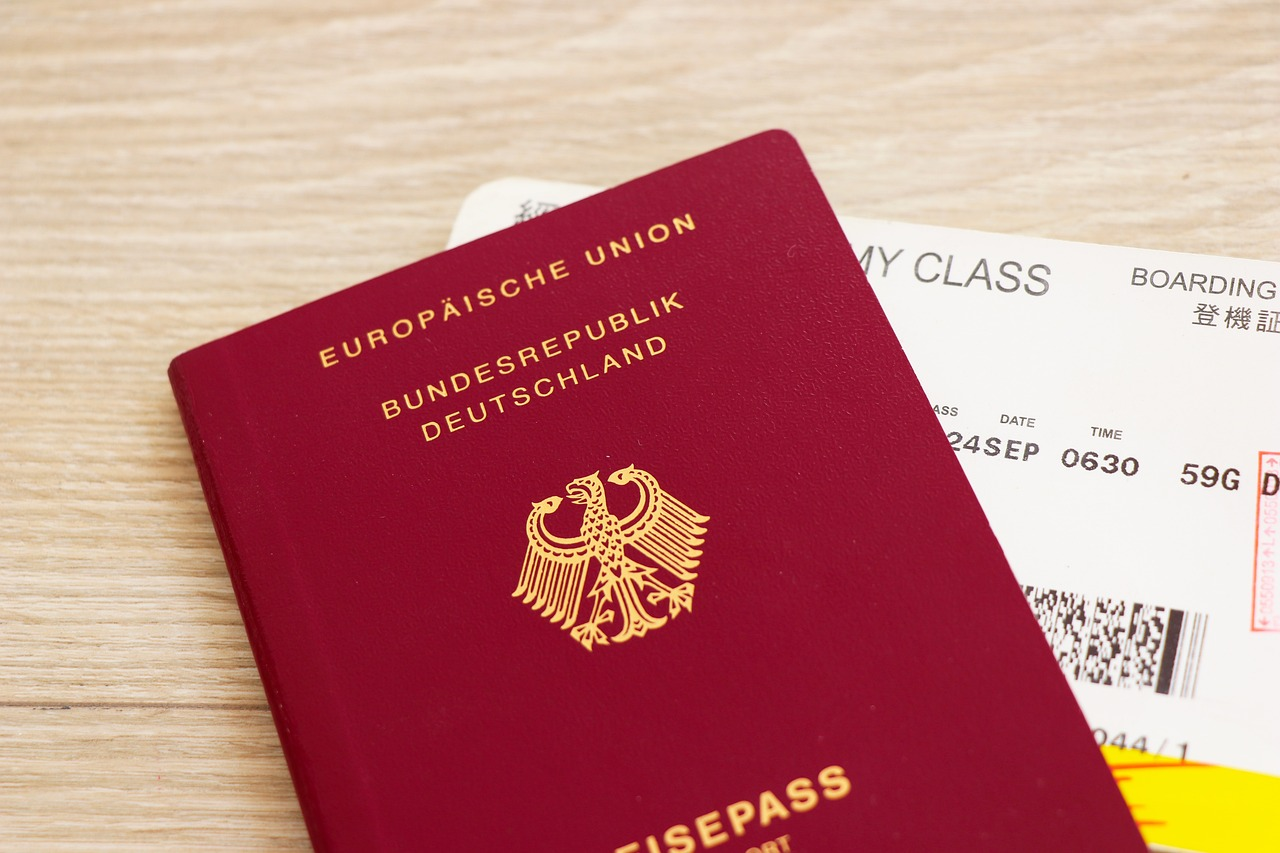
German Citizenship
If you have been living in Germany as an expat for several years, you may be eligible to apply for German citizenship (deutsche Staatsangehörigkeit).
How Can I Get German Citizenship?
There are several ways to acquire German citizenship:
By Naturalisation (Einbürgerung)
You have lived in Germany for the required period and meet the other naturalisation requirements.
By Descent (Abstammungsprinzip)
You are the direct descendant of a German parent. German citizenship can generally be acquired through a German mother or father, subject to the applicable legal requirements.
By Birth in Germany (Geburtsortsprinzip)
Children born in Germany to non-German parents may acquire German citizenship if the statutory requirements regarding their parents' residence status are met.
German Citizenship by Naturalisation
Naturalisation is the most common way for expats to acquire German citizenship. The application process can take several months or longer, depending on the responsible authority and individual circumstances.
Requirements for German Citizenship by Naturalisation
To qualify for German citizenship by naturalisation, you generally need to meet the following requirements:
- You have lived in Germany lawfully for the required period, usually at least five years.
- You are able to support yourself and your family without relying on certain public benefits, subject to exceptions.
- You have no relevant criminal convictions.
- You have passed the naturalisation test or qualify for an exemption.
- You are committed to the free and democratic basic order of Germany.
- You acknowledge Germany's special historical responsibility for the National Socialist regime and its consequences, particularly the protection of Jewish life.
- You meet the required German language level.
German Language Requirements
You generally need to demonstrate German language proficiency at B1 level.
This can be proven through, for example:
- A recognised German language certificate, such as the Deutschtest für Zuwanderer.
- Successful completion of the language component of an integration course.
- A German secondary school qualification with sufficient German language results.
- Attendance at a German school for the required period with sufficient German language results.
- Successful studies at a German university.
- Successful completion of a German vocational training course.
Special rules may apply to certain groups, including former guest workers who arrived in West Germany by June 30, 1974, and contract workers who moved to the German Democratic Republic by June 13, 1990.
If you do not meet all standard requirements, discretionary naturalisation may be possible in certain circumstances.
Naturalisation After Three Years
In certain cases, you may qualify for naturalisation after three years of lawful residence in Germany.
Generally, you must demonstrate:
- Outstanding integration, such as exceptional achievements at work or school or significant voluntary work.
- The ability to support yourself and your family.
- German language proficiency at C1 level or higher.
Naturalisation if Married to a German Citizen
If you are married to a German citizen, special rules may allow you to apply for naturalisation after a shorter period of residence.
Generally, you must have:
- Been married to a German citizen for at least two years.
- Lived legally in Germany for at least three years.
Additional requirements also apply.
Naturalisation of Children
Minor children may generally be naturalised together with their parents if the relevant requirements are met.
Depending on their age and circumstances, requirements can include:
- You have custody of the children and live with them in Germany.
- The children are under 16 years old.
- They can communicate in German in everyday situations.
- Younger children have lived in Germany for at least half of their lives.
Can I Have Dual Citizenship in Germany?
Since the citizenship law changes in 2024, Germany generally allows naturalised citizens to retain their previous citizenships.
However, whether you can actually keep your original citizenship also depends on the law of your country of origin. Some countries automatically withdraw citizenship when a person acquires another nationality.
If you are unsure, contact the embassy or consulate of your country of origin to check the applicable rules.
How Do I Apply for German Citizenship?
If you meet the requirements, you need to submit your application to the responsible citizenship authority (Staatsangehörigkeitsbehörde).
The responsible authority depends on where you live. Your local foreigners' office (Ausländerbehörde) or citizens' office (Bürgeramt) can usually tell you which authority handles naturalisation applications in your area.
The authority will provide information about the application process, required documents, and applicable fees.
After you submit your application, the authority will review your case and make a decision. Processing times can vary significantly between cities and federal states.
Documents Required for a German Citizenship Application
The exact documents depend on your personal circumstances. They may include:
- Valid passport or identity card
- Birth certificate
- Marriage certificate, if applicable
- Proof of financial stability
- Proof of German language proficiency
- Certificate confirming that you passed the naturalisation test
- Proof of your residence history in Germany
- Documents confirming your current residence status
Your citizenship authority will provide a complete list of documents required for your individual case.
How Much Does German Citizenship Cost?
The standard naturalisation application fee is €255 per person.
For minor children who are naturalised together with their parents, the fee is generally €51 per child.
Additional costs may apply for:
- The naturalisation test
- Language examinations
- Document translations
- Certification or legalisation of foreign documents
What Happens After Applying?
Once your application has been processed, the citizenship authority will inform you of the outcome.
If your application is approved, you will receive a naturalisation certificate (Einbürgerungsurkunde). After becoming a German citizen, you can apply for a German passport and identity card.
If your application is rejected, you will receive information explaining the decision and the available legal remedies.
What Rights Do I Get With German Citizenship?
German citizenship gives you rights that are not available to non-citizens, including permanent residents.
These include:
- The right to live in Germany without a residence permit.
- The right to enter and leave Germany freely.
- The right to a German passport.
- The right to vote in German federal and state elections.
- Unrestricted access to the German labour market.
- The ability to hold certain positions as a civil servant.
- EU citizenship and freedom of movement within the European Union.
- The right to vote in European Parliament elections.
Permanent Residence in Germany
If you want to remain in Germany indefinitely but do not meet the requirements for citizenship, you may consider applying for a permanent residence permit.
Permanent residence allows you to live and work in Germany without a fixed expiry date, while German citizenship provides additional rights associated with being a German and EU citizen.